


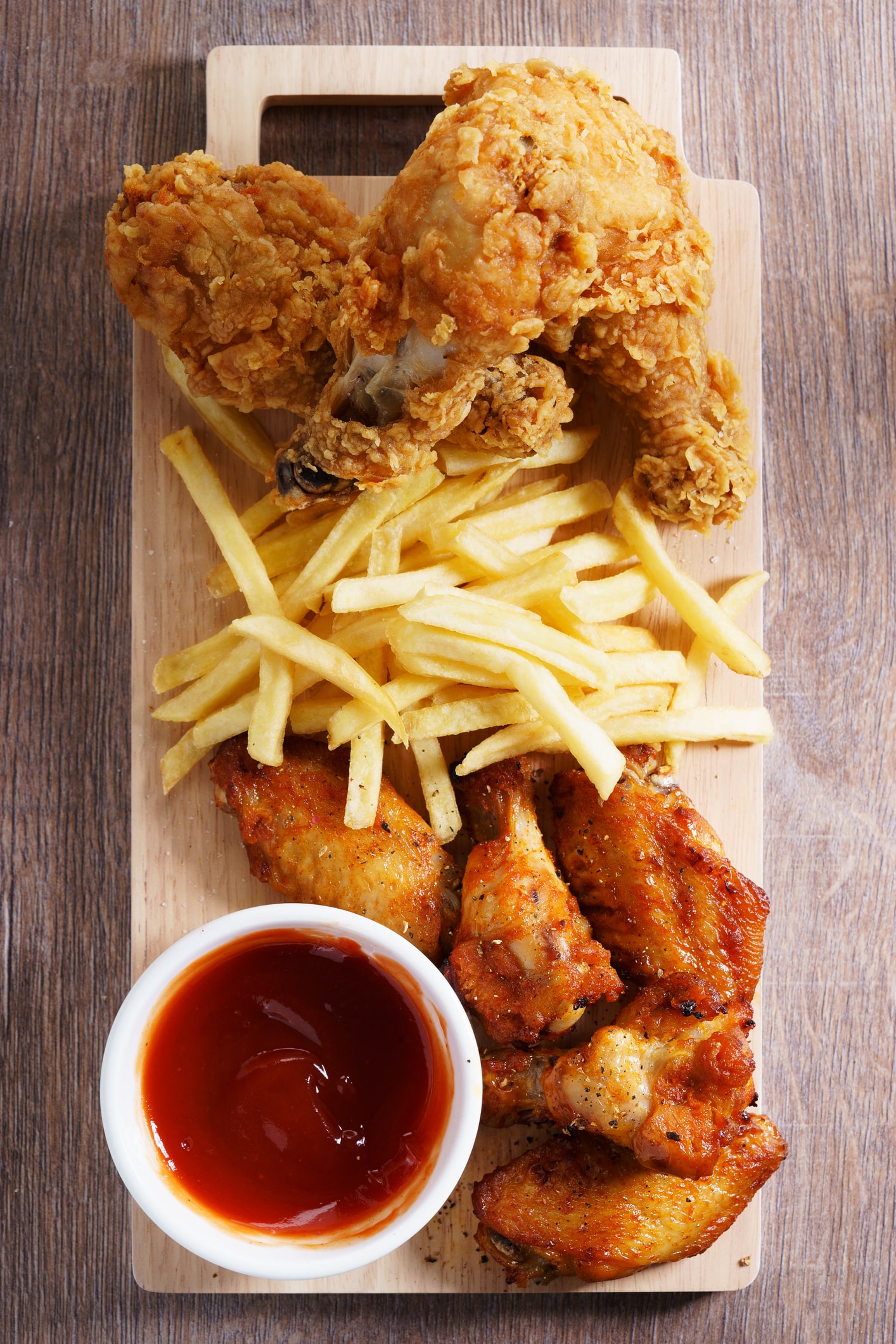
Winner Winner, Chicken Breakfast: Why the Next Decade of Chicken Growth Will Reward Positioning, Not Just Scale
At our recent Chicken Breakfast, attended by leaders from across the European restaurant industry, one theme emerged clearly: yesterday’s chicken playbook may not work for tomorrow.
Chicken has been the most successful category in modern foodservice.
Over the last two decades, it has steadily outperformed broader QSR and foodservice, winning on almost every dimension: affordability, health perception, unmatched versatility and cultural acceptance. No other protein delivers across all these areas.
The category is now entering a new strategic phase.
The structural advantages that made chicken successful have become democratised. The category is becoming increasingly crowded, and chicken is competing with chicken. In addition, consumers no longer see quality as a differentiator. This is now a baseline expectation; the premium for simply being good has disappeared.
As a result, differentiation and positioning will define future winners.
The US and UK offer an early glimpse of where the market may be heading. The fastest growth is no longer coming from traditional chicken specialists. Instead, growth is increasingly coming from elevated chicken brands and via broader QSR and food-to-go operators integrating chicken more aggressively into their core offer.
What we’re seeing in chicken is not unusual, and many mature foodservice categories have followed a similar journey. There is no shortage of mainstream coffee or pizza brands that have needed to innovate in response to challenges from both value and premium disruptors.
In Europe, the question is not whether chicken continues to grow, it is who captures that growth.
Our analysis suggests substantial headroom of c.2,500-3,000 additional branded chicken outlets by 2030 to fulfil future demand. In nearly all European markets, there is plenty of space for a #2 or #3 brand to emerge alongside traditional chicken specialists.
Looking ahead, we believe three winning chicken models will emerge:
1. Value Champions: brands that have historically won through lowest cost, simplicity and accessibility who should dial up flavour, texture and health cues to reinforce perceived value.
2. Flavour and Culture-led Disruptors: brands that combine standout flavour-obsessed products, customisation, brand identity and social relevance to create truly memorable chicken experiences.
3. ‘Chicken Minors’: brands where chicken is not the core proposition, but a powerful frequency driver that broadens occasions and reinforces what the brand is already known for.
The implication for CEOs is clear. Product alone will not be enough. In a category becoming more crowded and more fragmented, stronger positioning, greater brand relevance and advantaged operating models will increasingly define winners. Undifferentiated brands will be exposed to saturation and shakeout.
For more information, contact our experts.
Key Contacts

Mohsin Saleh
Associate Partner

David Sinclair
Partner

Tim Cook
Partner

David de Matteis
Partner

Jan Bergmann
Partner
Suggested articles
View all articles
Tuesday 6th October 2026
The New Luxury Equation: Achieving Long-Term Growth in Luxury
Luxury is entering a new growth paradigm. Winning will be less about expanding reach and more about earning a greater share of desire and...
Thursday 24th September 2026
Textile EPR in Europe: Why Fashion Needs to Prepare Now
Europe’s approach to textile waste is changing. Under a revised EU Waste Framework Directive, responsibility for the end of a product’s life is shifting...
Monday 14th September 2026
Widening the Launch Window: Reigniting the Investment Thesis in European Foodservice
At a recent breakfast we hosted in partnership with Goldman Sachs, we brought together leading European private equity investors to discuss a simple question:...
Friday 26th June 2026
AI does not create success – but it amplifies what is creating success: Resilience and Relevance
OC&C partners joined retail industry leaders at the 2025 K5 Future Retail Conference, to explore the forces shaping retail and how leaders can navigate...
Thursday 11th June 2026